
Key Takeaways:
- Hyperbaric chambers increase dissolved oxygen in blood plasma, which may support oxygen delivery to cardiovascular tissues that aren’t getting enough through normal circulation alone.
- Most of the published cardiovascular physiology research involves clinical HBOT delivered at higher pressures with near-100% oxygen. Lower-pressure soft-shell chambers are used differently and should not be assumed to produce equivalent effects session for session.
- Hyperbaric oxygen sessions are not a replacement for exercise, nutrition, or professional cardiovascular guidance. They work best as one component in a broader approach.
- Consistency matters more than intensity. Most reported physiological changes in research appear after weeks of regular sessions, not single visits.
You’d think the best thing you could do for your heart would be running, eating more vegetables, sleeping eight hours. And honestly, those things probably matter more than anything else on this list. But the toolkit for supporting cardiovascular wellness has gotten larger in recent years, and pressurized oxygen chambers are now part of that conversation in ways worth understanding clearly — without the hype, without the miracle claims.
This is about what happens at the cellular level when the body receives more oxygen than it normally would, and why that might be relevant for the system responsible for pushing blood through roughly 60,000 miles of vessels every day of your life.
How a Hyperbaric Chamber Works
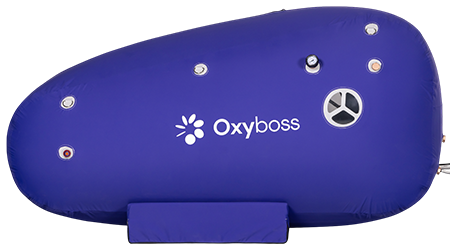
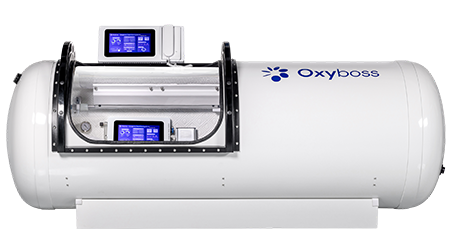
A hyperbaric chamber is a sealed space where air pressure gets raised above normal sea-level conditions. In clinical HBOT settings, the person inside breathes near-100% oxygen while under increased pressure. That’s the entire mechanical concept [1][2].
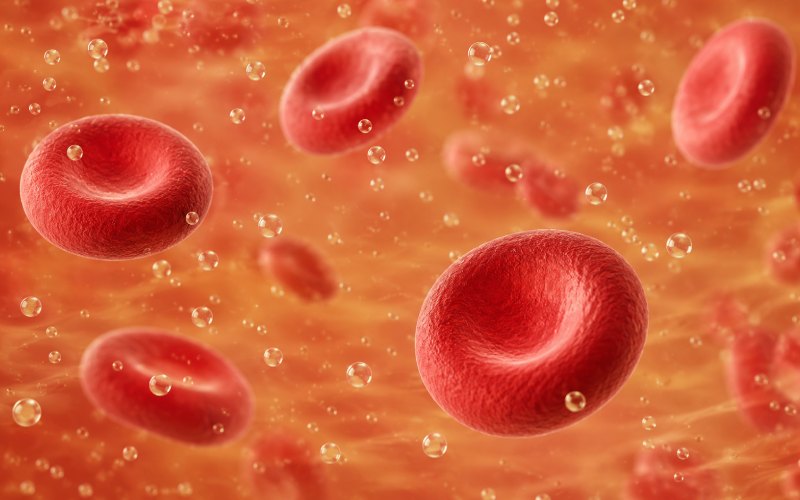
What makes it relevant to cardiovascular wellness is a simple piece of physics: under increased pressure, oxygen doesn’t just ride on red blood cells the way it normally does. It dissolves directly into your blood plasma — the liquid portion of your blood — at significantly higher concentrations [2]. Plasma travels everywhere blood travels. It can reach tissues where red blood cells sometimes have a harder time squeezing through, particularly in areas where circulation has slowed down due to aging, inactivity, or just the wear and tear of daily life.
Your heart isn’t a standalone organ. It depends on the health of blood vessels, on how efficiently your cells produce energy, and on your body’s ability to keep inflammation in check. Pressurized oxygen sessions touch on all three of those things, which is likely why people interested in long-term cardiovascular wellness have started exploring this option.
Why Oxygen Matters More to Your Heart Than You Might Think
Most people think of oxygen as a breathing thing — lungs, air, inhale, exhale. But oxygen is really an energy ingredient. Every cell in your body, including the ones that make up your heart muscle, uses oxygen to produce ATP (adenosine triphosphate), which is essentially the fuel molecule that powers biological functions [2].
When heart muscle cells receive less oxygen than they’d ideally like, their energy production drops. They still work — they’re remarkably tough — but they don’t work at full capacity. Over the years, areas with consistently lower oxygen supply can become less responsive. This isn’t necessarily a disease. It’s more like a slow dimming that comes with age, desk jobs, and the kind of low-grade circulatory inefficiency that millions of people live with without ever noticing.
Hyperbaric sessions increase the amount of available oxygen in the system. Some of that oxygen reaches tissues that have been running on less than ideal supply. The mitochondria in those cells — tiny structures responsible for converting oxygen into ATP — can increase their output when more oxygen becomes available [2]. Think of it as restocking a factory with raw materials it had been running short on for a while.
Nobody’s claiming this happens overnight. But repeated sessions over weeks appear to support improved energy availability in tissues throughout the cardiovascular system.
What Happens to Your Blood Vessels During a Session
This part gets interesting, and also a little counterintuitive.
When the body is exposed to pressurized oxygen, blood vessels constrict slightly. Your first reaction might be: that sounds bad. Less blood flow, right? But here’s the thing — the dramatically increased oxygen dissolved in plasma more than makes up for the narrower vessels. The net result is that oxygen delivery to tissues actually goes up, not down [2][3].
This mild constriction also has a secondary benefit: it helps reduce excess fluid accumulation in tissues. When fluid builds up around cardiovascular structures over time — which is common and generally unremarkable — it can subtly impair how well things work. By gently reducing that fluid burden, pressurized oxygen sessions may support more efficient cardiovascular function overall [2].
The body’s reflexive responses during sessions are also worth knowing about. Heart rate tends to slow down modestly while inside the chamber — a response driven by baroreceptors (pressure sensors in your blood vessels) that detect the change and adjust cardiac rhythm accordingly [3]. This isn’t a stress reaction. It’s actually consistent with parasympathetic nervous system activation — the “rest and recover” branch of your nervous system stepping forward. Both systolic and diastolic pressure may rise slightly during the session itself, then return to baseline afterward [2][3].
A note on this: If you have concerns about blood pressure or heart rhythm, it’s worth discussing hyperbaric chamber use with a qualified professional before starting. The pressure changes are generally mild, but “generally” isn’t “universally.”
New Blood Vessel Growth: A Quiet But Significant Response
One of the more remarkable responses observed under repeated hyperbaric exposure is support for new, small blood vessel growth. This process involves signaling molecules such as VEGF (vascular endothelial growth factor), but it likely reflects a broader repair cascade involving nitric oxide signaling, endothelial progenitor cells, and tissue-specific adaptation rather than a simple one-step reaction to higher oxygen alone [2][4].
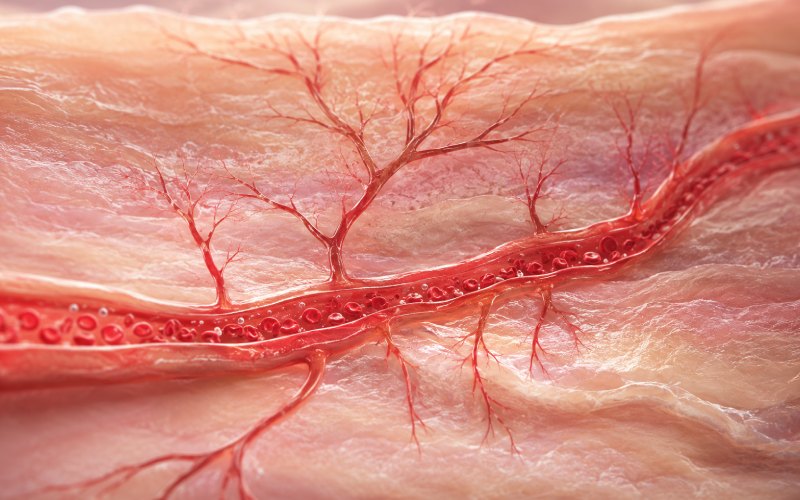
Why should anyone interested in heart wellness care about this? Because the density of your capillary network — the web of tiny vessels at the end of the circulatory chain — determines how effectively oxygen and nutrients reach every corner of your tissues. A richer capillary network means better delivery, better waste removal, and more resilient overall circulation.
This kind of vascular adaptation doesn’t happen after a couple of sessions. Research protocols that have observed meaningful changes in vascular markers, perfusion, or blood vessel-related signaling typically involve repeated sessions spread over weeks or months [2][4]. It’s a long game. But for people who are already committed to a long-term cardiovascular wellness strategy, the potential for supporting the development of new circulatory pathways is a genuinely interesting reason to include hyperbaric sessions in their routine.
Inflammation, Oxidative Stress, and the Inner Lining of Your Blood Vessels
The inside surface of every blood vessel in your body is covered by a thin cellular layer called the endothelium. It’s easy to overlook, but it’s one of the most important tissues in your entire cardiovascular system. The endothelium controls vascular tone (how relaxed or constricted your vessels are), regulates what passes through vessel walls, and produces nitric oxide — a molecule that keeps blood vessels flexible and responsive [4].
Chronic, low-grade inflammation damages this lining over time. So does oxidative stress, poor nutrition, sedentary living, and plain aging. When the endothelium stops functioning well, vessels stiffen. Circulation becomes less efficient. None of this happens suddenly. It’s a gradual process that unfolds over years, usually long before anyone notices anything wrong.
Hyperbaric oxygen exposure appears to support the body’s natural ability to manage inflammatory responses and maintain its antioxidant defenses [4]. There’s an apparent contradiction here — more oxygen can generate reactive oxygen species (ROS), which sounds like the opposite of what you’d want. But at the pressures and session lengths used in standard protocols, the body’s antioxidant systems respond by becoming more active, producing a net positive effect [4]. Biologists call this hormesis: a moderate stress that triggers a disproportionately beneficial adaptive response.
The protective layer coating the inner surface of blood vessels also appears to benefit from this dynamic. When that protective coating is compromised — through aging, poor diet, or chronic low-level inflammation — vascular function declines. Supporting its integrity means supporting the basic infrastructure that healthy circulation depends on [4].
Practical Considerations: Chamber Type, Safety, and What to Expect
This is where expectations matter.
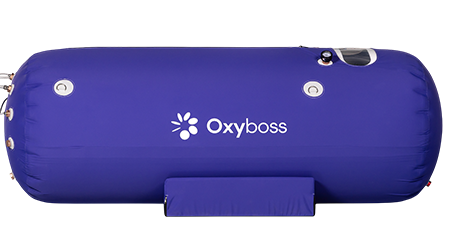
Most of the published cardiovascular physiology literature refers to clinical HBOT performed in hard-shell chambers at higher pressures while breathing near-100% oxygen [1][2]. Lower-pressure soft-shell chambers are a different category of use. They may still appeal to people building a general wellness routine at home, but their cardiovascular effects are less studied, and they should not be assumed to match clinical HBOT session for session [1].
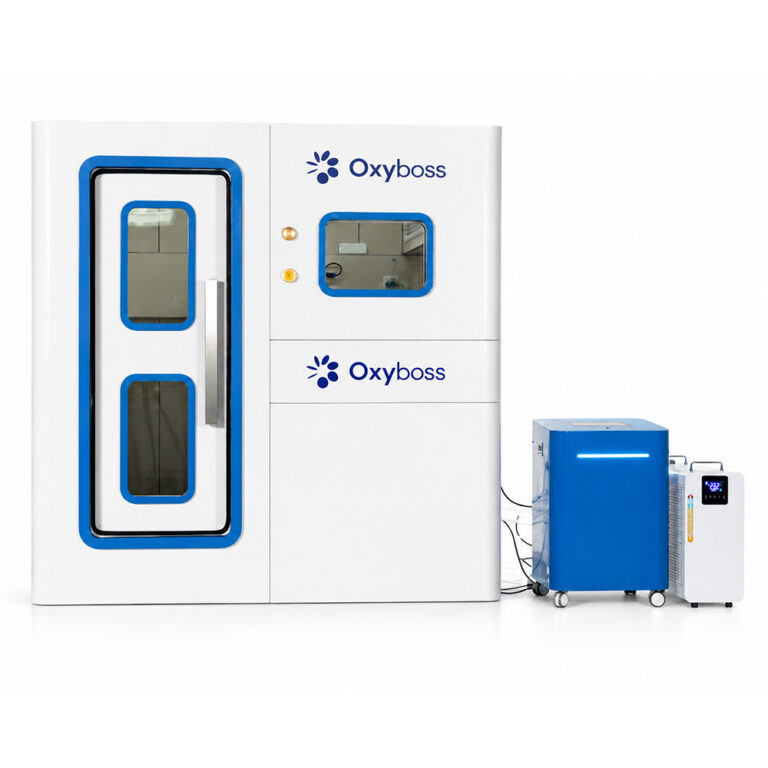
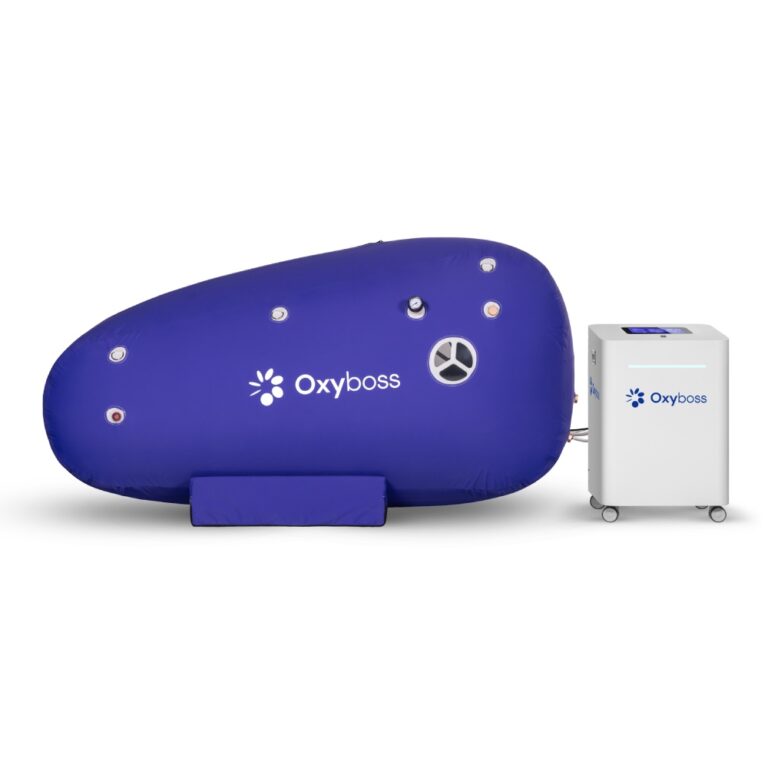
That distinction matters when people start comparing chamber types. Hard-shell systems are where the strongest physiological evidence exists. Soft-shell systems are typically easier to live with day to day. Those are both real advantages — they just aren’t the same advantage.
| Consideration | Hard-Shell Clinical HBOT | Lower-Pressure Soft-Shell Use |
| Typical setting | Medical or supervised facility | Home or non-medical wellness setting |
| Pressure / oxygen context | Higher pressures with near-100% oxygen in published HBOT protocols | Lower pressures, with different oxygen delivery setups |
| Cardiovascular evidence base | Most published physiology research comes from this format | Less studied for cardiovascular outcomes |
| Practical upside | Closest match to the conditions used in the research | Easier to fit into a regular home routine |
| Expectation to keep in mind | Stronger research alignment does not make it casual-use friendly | Greater convenience does not make it equivalent to clinical HBOT |
It’s also worth being realistic about routine. Facility-based protocols that report cardiovascular-related observations often involve 3–5 sessions per week, 60–90 minutes at a time, over a period of weeks [2]. Lower-pressure home use is more variable, and the published evidence supporting fixed cardiovascular protocols at 1.1–1.3 ATA is still limited [1]. Regularity still matters. But consistency at a lower pressure shouldn’t automatically be framed as physiologically equivalent to a higher-pressure clinical program.
Safety deserves the same level of honesty. Hyperbaric chambers aren’t appropriate for everyone without consideration. Untreated pneumothorax is an absolute contraindication [5][6]. Certain respiratory conditions, inner ear issues, implanted devices, and some cardiovascular irregularities may also make pressurized environments a poor fit or require closer evaluation before use [5][6].
Fire safety is non-negotiable in any oxygen-enriched environment. Reputable operators and manufacturers require strict rules around clothing, electronics, topical products, and ignition sources for a reason [7]. Mild, temporary side effects — ear pressure during pressurization, brief visual changes after extended protocols, occasional lightheadedness during pressure transitions — are common and typically resolve on their own. Serious complications are uncommon when sessions are conducted in properly maintained systems following established guidelines [5][6][7].
The honest perspective is that hyperbaric chambers offer a genuinely interesting mechanism for supporting cardiovascular wellness, but the research base connecting routine use to long-term cardiovascular outcomes in the general population is still developing. That doesn’t make the mechanism unimportant. It just means clear expectations matter. Chambers belong beside the basics, not in place of them.
If you’re comparing chamber options for your own routine, it makes sense to weigh evidence, safety requirements, convenience, and the likelihood that you’ll actually use the setup consistently.
Frequently Asked Questions
Can sitting in a hyperbaric chamber replace cardiovascular exercise?
No. Physical activity provides mechanical benefits — strengthening the heart muscle, improving cardiac output, increasing vascular flexibility — that pressurized oxygen cannot replicate. Hyperbaric sessions may complement an active lifestyle by supporting oxygen delivery and recovery, but they aren’t a substitute for exercise.
How many sessions does it typically take to notice any difference?
Most research protocols showing measurable changes involve repeated sessions conducted over several weeks [2][4]. Some individuals report subjective improvements in energy or recovery capacity earlier than that. Structural and functional adaptations at the vascular level take longer to develop.
Is it safe to use a hyperbaric chamber if my blood pressure tends to run high?
Blood pressure may rise modestly during sessions due to mild vasoconstriction [2][3]. If your blood pressure is already elevated or not well-managed, this temporary increase deserves attention. Discussing hyperbaric chamber use with a qualified professional before beginning is strongly recommended in this situation.
Will a soft-shell chamber give me the same cardiovascular support as a hard-shell one?
The physiological responses best documented in research have primarily been studied in clinical HBOT settings using higher pressures and near-100% oxygen [1][2]. Soft-shell chambers operate differently and at lower pressures. They may still be useful in a broader wellness routine, but the current evidence base does not support treating the two formats as interchangeable for cardiovascular outcomes.
Are there long-term risks to regular use?
Extended or very frequent use at higher pressures can occasionally lead to temporary visual changes and, in rare instances, oxygen-related complications if sessions are excessively long or pressures are inappropriately high [6]. Following established session guidelines and working with experienced operators or manufacturer protocols minimizes these risks substantially [5][6][7].
Does pressurized oxygen directly strengthen the heart muscle?
Not in the way exercise does. What it appears to do is improve the environment in which the heart operates — supporting cellular energy production, encouraging new circulatory pathways, and helping manage the body’s inflammatory responses [2][4]. These are supportive mechanisms that may allow the heart to function more efficiently, rather than direct muscular strengthening.
Which chamber type should I start with if I’ve never tried this before?
That depends less on promises and more on priorities. If your main interest is staying closest to the conditions used in published HBOT research, clinical hard-shell protocols are where most of that evidence comes from [1][2]. If your priority is convenience and building a non-medical routine you can realistically maintain, lower-pressure options may feel more practical — but expectations should stay aligned with the fact that they are less studied for cardiovascular effects [1].
References
- Undersea and Hyperbaric Medical Society (UHMS). UHMS Position Statement: Low-Pressure Fabric Hyperbaric Chambers. Revised July 10, 2018. Link 1
- Singh, B., Bhyan, P., & Cooper, J.S. Hyperbaric Cardiovascular Effects. StatPearls [Internet], updated February 6, 2025. Link 2
- Schipke, J.D., Muth, T., Pepper, C., Schneppendahl, J., Hoffmanns, M., & Dreyer, S. “Hyperoxia and the cardiovascular system: experiences with hyperbaric oxygen therapy.” Medical Gas Research, 12(4):153–157, 2022. Link 3
- Batinac, T., Batičić, L., Kršek, A., et al. “Endothelial Dysfunction and Cardiovascular Disease: Hyperbaric Oxygen Therapy as an Emerging Therapeutic Modality?” Journal of Cardiovascular Development and Disease, 11(12):408, 2024. Link 4
- DuBose, K.J., & Cooper, J.S. Hyperbaric Patient Selection. StatPearls [Internet], updated July 31, 2023. Link 5
- Gawdi, R., Yrastorza, J., & Cooper, J.S. Hyperbaric Oxygen Therapy Contraindications. StatPearls [Internet], updated May 27, 2025. Link 6
- U.S. Food and Drug Administration. Follow Instructions for Safe Use of Hyperbaric Oxygen Therapy Devices – Letter to Health Care Providers, August 25, 2025. Link 7