Disclaimer: This article provides a general informational comparison of two wellness approaches. It is not health advice, does not make efficacy claims, and is not intended to diagnose, prevent, or address any medical condition. If you have questions about your health, consult a qualified professional before using any wellness device or service.
Two oxygen-related wellness approaches keep showing up in the same conversations: hyperbaric chambers and ozone therapy. They sound like they might do similar things — both involve oxygen in some form — but in practice they are very different experiences built on different principles.
This article explains what each one actually involves, how they differ in mechanism and day-to-day practicality, and what factors might help you decide which format suits your preferences.
A Quick Note on Scope
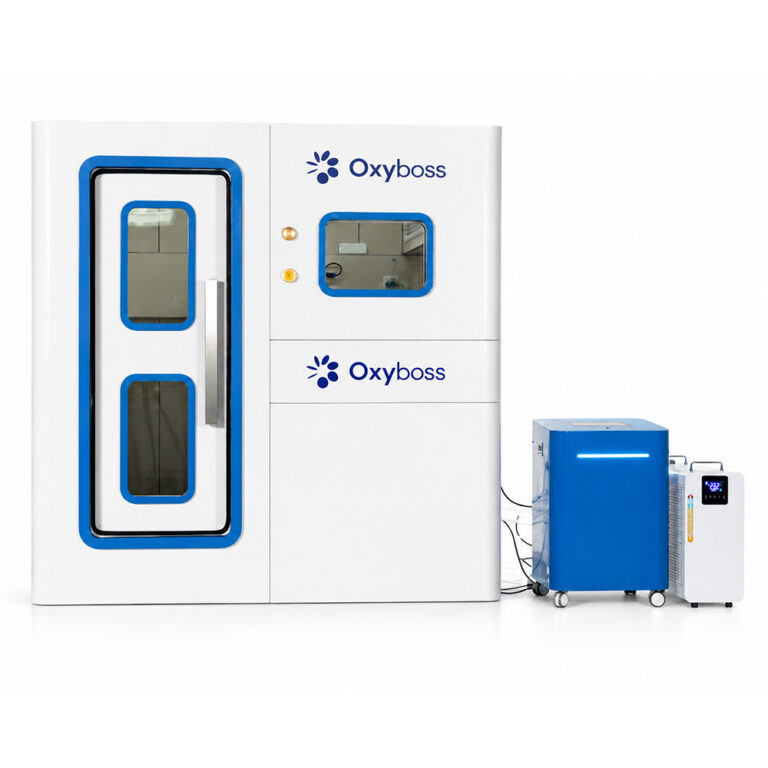
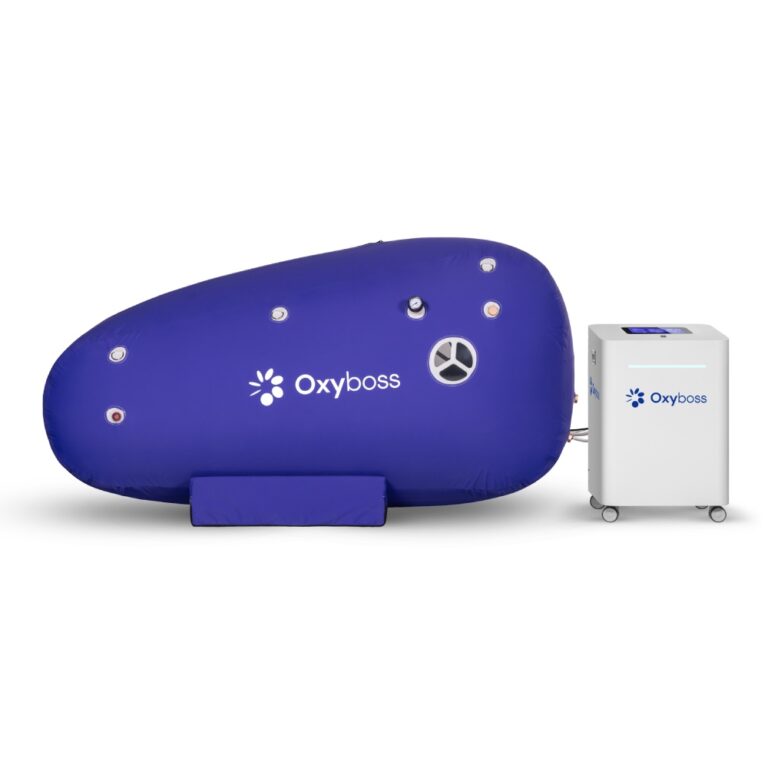
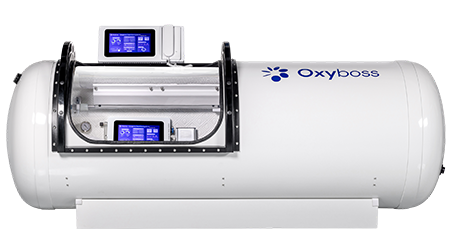
This article discusses mild (low-pressure) hyperbaric chambers — the type commonly available for personal wellness use, typically operating between 1.3 and 1.5 ATA. This is a different category from clinical hard-shell hyperbaric oxygen systems used in hospital settings at higher pressures (up to 3.0 ATA), which the FDA classifies and regulates as medical devices with specific cleared indications [1]. The two should not be confused, and nothing in this article should be read as describing clinical HBOT outcomes.
What Each Approach Actually Involves
Mild Hyperbaric Chambers
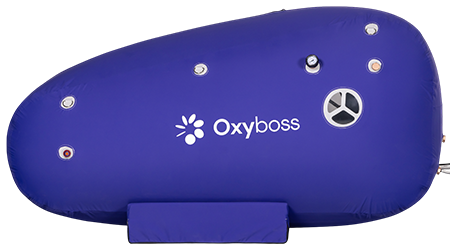
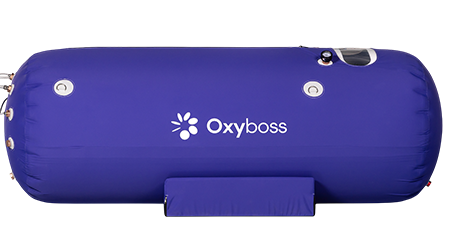
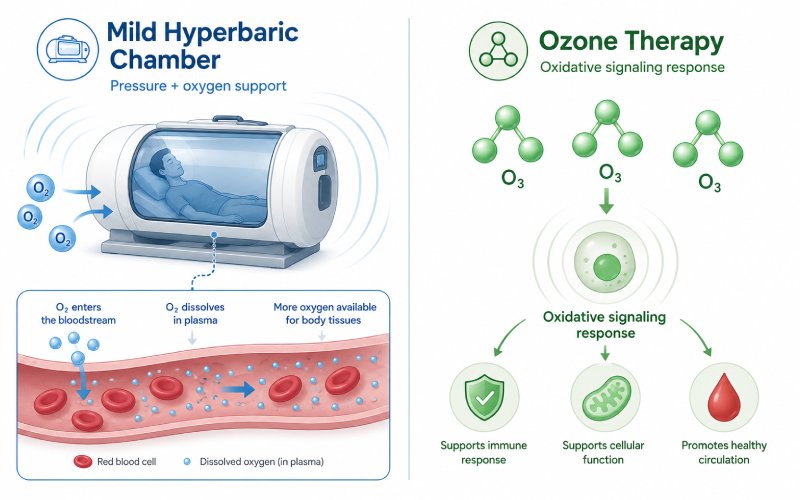
A mild hyperbaric chamber is a sealed, pressurized enclosure. You get inside, the internal pressure increases modestly above normal atmospheric pressure, and you breathe air (or, in some setups, oxygen-enriched air) for roughly 60 to 90 minutes.
The underlying physics: Under increased atmospheric pressure, gases dissolve more readily into liquids. This is Henry’s Law — a well-established physical principle you can find in any introductory chemistry textbook [2]. Applied to the body, this means that at higher-than-normal ambient pressure, more oxygen can dissolve into blood plasma (the liquid portion of blood), rather than being carried exclusively by hemoglobin in red blood cells [3].
A simple analogy: hemoglobin-bound oxygen is like cargo on delivery trucks. Plasma-dissolved oxygen is like cargo absorbed directly into the road surface. Under pressure, more of the latter happens.
Important caveat: The amount of additional oxygen dissolution depends heavily on the pressure level. Mild chambers at 1.3–1.5 ATA produce a much smaller pressure differential than clinical systems at 2.0–3.0 ATA. The magnitude of additional oxygen reaching tissues at mild pressures is proportionally smaller. Peer-reviewed research on mild/low-pressure protocols specifically is limited compared to the clinical HBOT literature, and most controlled studies involve clinical-grade systems [4]. Keep that asymmetry in mind throughout this article.
Ozone Therapy
Ozone therapy uses ozone (O₃) — a molecule with three oxygen atoms instead of the usual two. The premise is different from hyperbaric: rather than increasing the amount of oxygen delivered to tissues, ozone is introduced to trigger an oxidative signaling response in the body. Proponents describe this as a biochemical “nudge” that may prompt the body to upregulate its own antioxidant and metabolic processes [5].
How it’s administered: Ozone is not inhaled — the EPA notes that ozone inhalation can cause respiratory damage [6]. Instead, it’s introduced through methods that require a trained professional:
- Major autohemotherapy (MAH): Blood is drawn, mixed with ozone gas ex vivo, then reintroduced intravenously
- Insufflation: Ozone gas is introduced rectally or aurally
- Minor autohemotherapy: A small amount of ozonated blood is injected intramuscularly
- Topical ozone application: A limb is enclosed in a bag and exposed to ozone gas externally
Each method requires sterile technique and practitioner oversight. This is not a self-administered format.
Important caveat: Ozone therapy’s evidence base is mixed. Some studies show promising biological responses; others are small, uncontrolled, or methodologically limited. Regulatory status varies by jurisdiction — it is not FDA-approved for any specific indication in the United States [5]. As with mild hyperbaric, be cautious about strong outcome claims from any source.
Side-by-Side Comparison
| Factor | Mild Hyperbaric Chamber | Ozone Therapy |
| Core principle | Increased ambient pressure to raise oxygen solubility in plasma (Henry’s Law) | Introduction of O₃ to trigger oxidative signaling |
| What enters the body | Pressurized air or oxygen-enriched air, inhaled normally | Ozone gas via IV, insufflation, injection, or topical routes |
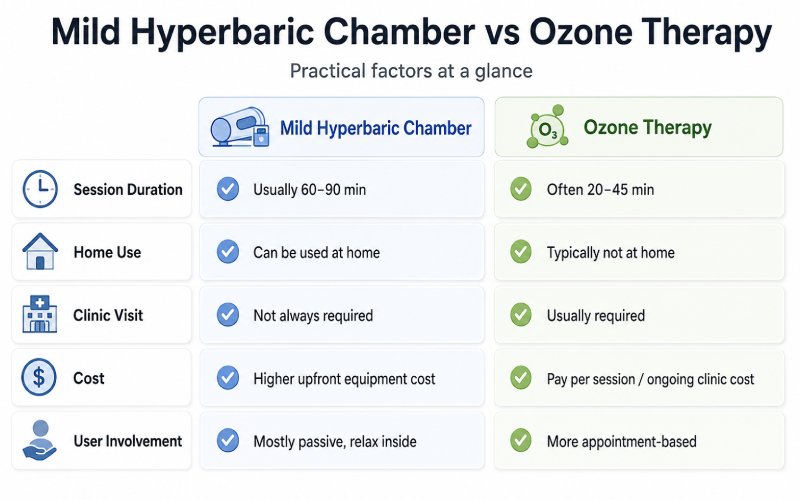
| Session duration | Typically 60–90 minutes | Typically 20–45 minutes |
| User involvement | Passive — sit or lie down and breathe | Requires practitioner administration |
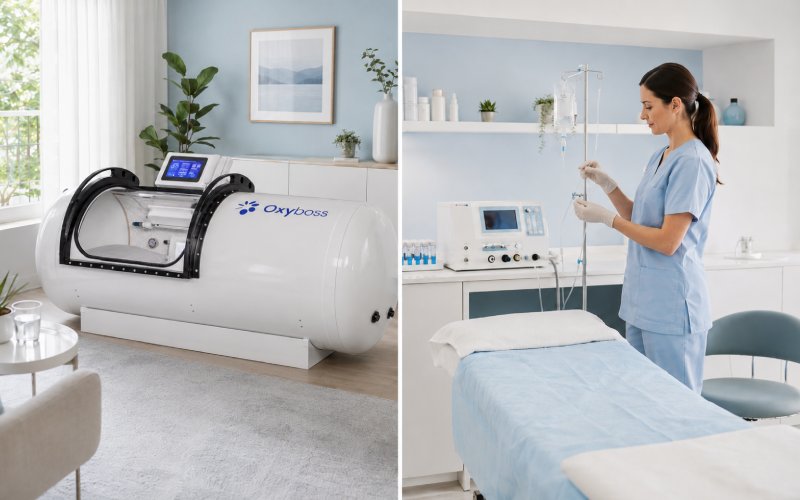
| Setting | Wellness centers or at home with a personal chamber | Professional clinic only |
| Home use feasible? | Yes — soft-shell chambers are designed for home use | No — requires sterile technique and professional oversight |
| Physical sensation during session | Mild ear pressure during pressurization (similar to airplane descent); otherwise unremarkable | Varies by method; some involve needles or IV lines |
| Strength of published evidence | Extensive for clinical HBOT; limited specifically for mild/low-pressure protocols | Some positive studies exist; overall evidence base is mixed and often small-scale |
| FDA status (US) | Clinical HBOT devices are regulated as Class II/III medical devices [1]; mild chambers exist in a different market category | Not FDA-approved for any indication [5] |
| Approximate cost per session | $100–$300+ at a wellness center; personal chamber purchase amortizes over time | $75–$250+ per session, always at a clinic |
A note on this table: The cost ranges are approximate and vary by provider, region, and specific equipment. The evidence characterization reflects the general state of published literature as of early 2025 — not a systematic review, which we are not qualified to conduct.
What the Session Experience Is Like
Most comparison articles focus on mechanisms and skip over what the hour actually feels like. Since choosing a wellness routine partly depends on whether you’ll actually repeat it, this matters.
Inside a Mild Hyperbaric Chamber
The pressurization phase takes roughly 10–15 minutes. During this phase, you may feel pressure in your ears — the same sensation as descending in an airplane. Standard equalization techniques (swallowing, jaw movement) usually resolve it.
Once at pressure, the rest of the session is uneventful in terms of physical sensation. The chamber is a sealed space. Some people read, work on a phone or tablet, listen to audio, or sleep. There is nothing to “do” — no breathing exercises, no positions to hold, no active participation required.
The depressurization phase takes another 10–15 minutes.
How do people describe it afterward? User accounts vary. Some people describe feeling rested or calm. Others don’t notice anything particular after a single session. Some report that subjective effects become more noticeable after multiple sessions. These are anecdotal self-reports, not measured outcomes. Individual experiences differ, and we cannot promise any specific feeling or result.
The practical advantage most commonly cited by repeat users isn’t a specific sensation — it’s that the format is easy to maintain. It doesn’t require appointments with a practitioner, doesn’t involve needles, and can be fit into a schedule without much friction. Whether the session itself produces a physiological benefit beyond rest and quiet time is a question the current mild-pressure evidence base cannot definitively answer.
At an Ozone Therapy Session
The experience depends entirely on the method. MAH (the intravenous route) involves a blood draw, an ozone mixing step, and an IV reinfusion — similar in feel to a blood donation followed by an IV drip. Insufflation methods are less invasive but still require a clinic visit and practitioner involvement.
Sessions are shorter (often 20–40 minutes), but the total time commitment including travel, intake, and the procedure itself may be comparable to a chamber session.
Deciding Factors: Format Preference, Not Outcome Promise
We can’t tell you which approach “works better” — partly because that depends on what you’re trying to achieve, and partly because the evidence for both at the wellness (non-clinical) level isn’t strong enough to make confident comparative claims.
What we can do is lay out the practical decision factors honestly:
A mild hyperbaric chamber may suit you if:
- You prefer self-directed routines. No practitioner, no appointments, no needles. You control the schedule and environment.
- You want something repeatable with low friction. The format is simple enough that skipping sessions becomes harder to justify than doing them.
- You value the quiet-time aspect independently. Even setting aside any oxygen-related question, 60–90 minutes of sealed-off downtime has its own appeal for people who rarely stop moving. We won’t dress this up as a health benefit — it’s just a feature of the format.
- You’re comfortable with a thinner evidence base at mild pressures. Most published hyperbaric research involves clinical systems at higher pressures. If you’re specifically interested in mild-pressure protocols, know that you’re operating in a space where rigorous evidence is still catching up to consumer interest.
Ozone therapy may suit you if:
- You prefer shorter sessions and don’t mind a clinical setting. The per-session time is shorter, and some people prefer having a professional involved.
- You’re interested in the oxidative signaling premise specifically. The theoretical basis is different from the oxygen-delivery logic of hyperbaric, and some people find that framing more relevant to their goals.
- You’re comfortable with the administration methods. Some routes involve needles or IV access. That’s a dealbreaker for some and a non-issue for others.
- You’ve done your own research on the evidence. As with mild hyperbaric, strong claims outpace strong evidence in this space. A critical reading of the available literature is worth your time before committing.
Frequently Asked Questions
Is a mild hyperbaric chamber the same as the ones used in hospitals?
No. Clinical systems are hard-shell chambers operated at higher pressures (often 2.0–3.0 ATA) and regulated by the FDA as medical devices with specific cleared indications [1]. Mild chambers for personal use typically operate at 1.3–1.5 ATA and are a different product category. The underlying physical principle (increased pressure → increased gas solubility) is the same, but the pressure differential — and therefore the magnitude of the effect — is substantially different.
Does ozone therapy use oxygen the same way a hyperbaric chamber does?
No. A hyperbaric chamber increases the ambient pressure around you so that more O₂ dissolves into blood plasma. Ozone therapy introduces O₃ — a different, more reactive molecule — to provoke an oxidative signaling response [5]. They start from oxygen but do different things through different mechanisms.
Can I use a mild hyperbaric chamber at home?
Yes. Soft-shell chambers designed for personal home use are available and do not require professional operation. You control the pressurization and session duration yourself.
Can I do ozone therapy at home?
This is generally not advisable. Most ozone methods require sterile technique, precise dosing, and professional oversight. Improper handling of ozone gas poses respiratory risks — the EPA classifies ground-level ozone as a respiratory irritant [6].
How many sessions do people typically do?
There’s no standardized protocol for either approach at the wellness level. For mild hyperbaric, commonly discussed ranges are 3–5 sessions per week during an initial period, tapering to 1–3 per week. For ozone, practitioners typically recommend courses of 10–30 sessions. These are practitioner conventions, not evidence-based dosing guidelines.
Is there discomfort during a mild hyperbaric session?
The most common sensation is ear pressure during pressurization, similar to airplane descent. Standard equalization techniques usually resolve it. The remainder of the session is physically uneventful for most users.
Are there people who should not use a mild hyperbaric chamber?
Certain conditions — particularly those involving the lungs, ears, or sinuses — may be contraindicated. Anyone with an existing health condition should consult a qualified professional before using a pressurized chamber of any type. The FDA’s guidance on hyperbaric device safety applies primarily to clinical systems but is worth reading for general awareness [1].
Should I expect to feel a specific way after a session?
We can’t predict that. Some users describe feeling rested or calm; others notice nothing distinctive. Individual variability is high, and subjective reports are not a reliable basis for setting expectations. If someone guarantees you a specific feeling, treat that claim with skepticism.
References
- U.S. Food & Drug Administration. “Follow Instructions for Safe Use of Hyperbaric Oxygen Therapy Devices — Letter to Health Care Providers.” 1
- Britannica. “Henry’s Law.” A standard reference for the physical principle governing gas solubility under pressure. 2
- OxyRenew. “Hyperbaric Oxygen Therapy vs. Ozone Therapy.” 3
- Morelli Medical. “Hyperbaric Chamber vs Ozone Therapy.” 4
- Proactive Choice. “HBOT vs Ozone Therapy: Benefits, Differences & Which to Choose.” 5
- U.S. Environmental Protection Agency. “Health Effects of Ozone Pollution.” 6