Editorial note: This article is informational and describes general principles of pressurized oxygen exposure and does not constitute health advice, and should not be used to make decisions about any health-related practice. Individuals considering hyperbaric oxygen exposure should consult a qualified professional. Where research is cited, study limitations — including sample size, population, and replication status — are noted inline.
At a Glance
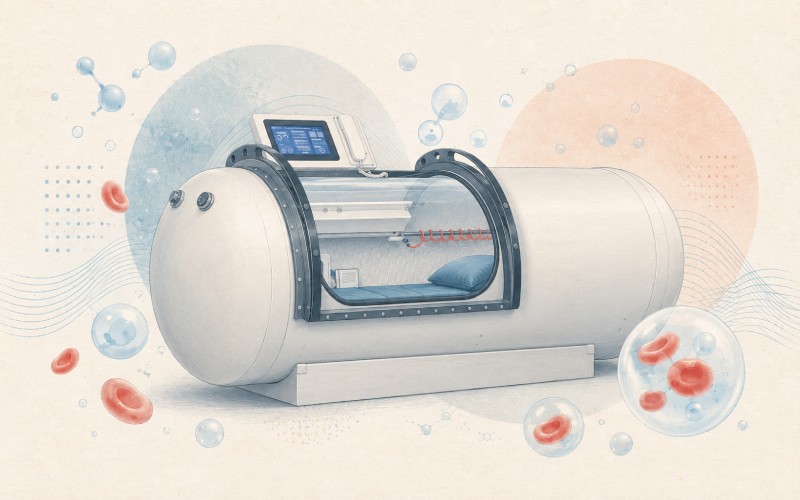
A hyperbaric chamber is a sealed enclosure where air pressure is increased above normal atmospheric levels — typically between 1.3 and 3.0 atmospheres absolute (ATA). Inside, the occupant breathes concentrated or pure oxygen. Under increased pressure, more oxygen dissolves into blood plasma (the liquid portion of blood) in accordance with Henry’s Law, a well-established gas physics principle. Sessions generally last 60–120 minutes. The most commonly reported side effect is temporary ear pressure during pressurization and depressurization. Peer-reviewed research on various biological responses to this exposure exists but is still limited in scale and not sufficient to support broad consumer health claims.
How Pressurized Oxygen Works: The Physics
Under normal conditions at sea level, you breathe air that is roughly 21% oxygen. Most of that oxygen binds to hemoglobin in red blood cells. Hemoglobin has a fixed carrying capacity — at sea level, it typically runs close to full saturation.
A pressurized environment changes the math.
Henry’s Law — formulated in 1803 — states that the amount of gas dissolved in a liquid is proportional to the partial pressure of that gas above the liquid [1]. Raise the pressure, and more oxygen dissolves directly into blood plasma, independent of hemoglobin.
This is a measurable, reproducible physical effect. It’s the same principle that keeps carbon dioxide dissolved in a sealed bottle of carbonated water. Release the pressure, the gas escapes.
The following table shows approximate arterial oxygen levels under different conditions, based on published physiological data:
| Condition | Approx. Arterial O₂ (mmHg) | Primary Transport Mechanism |
| Normal air at sea level (21% O₂, 1.0 ATA) | ~100 | Hemoglobin-bound |
| Pure oxygen at sea level (100% O₂, 1.0 ATA) | ~600 | Hemoglobin saturated; modest plasma increase |
| Pure oxygen at 2.0 ATA | ~1,400 | Substantial plasma-dissolved oxygen |
| Pure oxygen at 3.0 ATA | ~2,280 | Plasma-dissolved oxygen alone approaches resting tissue demand [2] |
Sources: StatPearls physiological reference data [1] [2]. These values are approximations; individual variation occurs.
It is important to note that higher dissolved oxygen in plasma is a physical observation, not a health outcome. Whether this translates into specific benefits for a given individual depends on many factors that this article cannot determine.
What the Experience Feels Like
Most of the experience is uneventful. That’s worth stating plainly, because people often expect something dramatic.
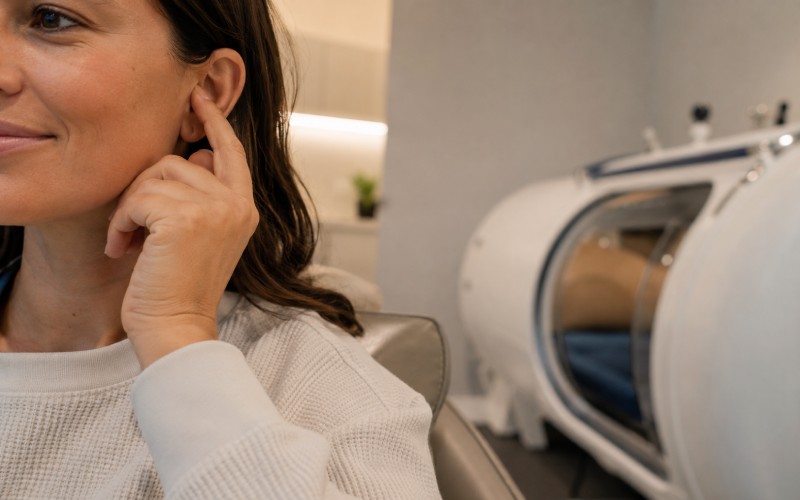
Pressurization (first 10–15 minutes): As pressure builds, you feel fullness or mild pressure in the ears — very similar to descending in an airplane. Swallowing, yawning, or gentle jaw movements typically equalize this. If equalization is difficult or painful, staff will slow or pause the pressurization. People with active sinus congestion or recent ear issues should disclose this beforehand.
At target pressure (60–90 minutes): You breathe through a mask or hood delivering oxygen. Most people lie still. Some read physical books (electronics are generally prohibited due to the oxygen-enriched environment). Some sleep. The environment is temperature-controlled. You can communicate with staff outside the chamber at any time.
Depressurization (10–15 minutes): Pressure returns to normal gradually. Ears may pop again. Then you exit.
Subjective reports after sessions vary widely. Some people describe feeling clear-headed or rested. Others notice nothing particular. Anecdotal self-reports are not a reliable indicator of what is happening biologically, and individual responses differ.
What Researchers Have Observed — and What They Haven’t
A growing number of peer-reviewed studies have examined biological responses to hyperbaric oxygen exposure. Some of these findings are summarized below. Each should be understood within its specific study context, not as a general expectation of what any individual will experience.
Oxygen Delivery to Tissues
The increased plasma-dissolved oxygen under pressure can reach tissue areas that red blood cells access less efficiently — for example, areas with reduced local blood flow. This is a direct physical consequence of Henry’s Law and is well-established in physiology literature [1][2]. Whether this produces a meaningful difference for a healthy individual with normal circulation is a separate and largely unanswered question.
Cellular Energy Production
Mitochondria use oxygen to produce ATP (adenosine triphosphate), the cell’s energy molecule. In laboratory and limited human contexts, increased oxygen availability has been associated with changes in mitochondrial activity [3]. However, the relationship between increased ambient oxygen and real-world cellular energy output in healthy humans is not straightforward. More oxygen does not automatically mean better function — context matters, and excess oxygen can itself be harmful (see Safety section below).
Blood Vessel Formation (Angiogenesis)
Some studies have observed that repeated hyperbaric oxygen sessions are associated with upregulation of vascular endothelial growth factor (VEGF), a protein involved in new blood vessel growth [3]. This has been documented primarily in controlled research settings. The degree to which this occurs in a typical wellness context, and whether it produces lasting structural changes, is not well-characterized in the current literature.
Stem Cell Mobilization
A 2023 study published in Frontiers in Neurology (n=15 healthy adults) observed that exposure to hyperbaric air at 1.27 ATA mobilized stem progenitor cells from bone marrow into circulation by approximately two-fold after nine sessions, with effects persisting roughly 72 hours post-final session [4]. A 2024 follow-up study in Frontiers in Cell and Developmental Biology reported similar mobilization using normobaric (1.0 ATA) pure oxygen [5]. These are small, early-stage studies. They describe an observed biological response under specific conditions — not a confirmed pathway to any particular outcome for the general population.
Telomere Length and Cellular Senescence
A 2020 prospective study published in Aging (n=35 healthy adults aged 64+) found that 60 sessions at 2.0 ATA over approximately 12 weeks were associated with a 20–38% increase in telomere length in peripheral blood mononuclear cells and an 11–37% decrease in senescent cell populations [6]. Telomere shortening is recognized as one hallmark of biological aging.
Important context: This was a single small study. It has not been independently replicated at scale. The authors themselves note limitations. Telomere length is one biomarker among many, and changes in isolated blood cell telomeres do not equate to systemic reversal of aging. This finding is preliminary and should not be interpreted as evidence that hyperbaric exposure extends lifespan or reverses age-related decline.
Inflammatory Markers
Some research has reported that hyperbaric oxygen exposure is associated with reduced levels of pro-inflammatory cytokines such as TNF-α and IL-6, and with increased anti-inflammatory signaling [3]. These observations come from heterogeneous study populations and varying protocols. The clinical or practical significance of these marker changes for healthy individuals is not established.

Safety, Side Effects, and Contraindications
This section is not a formality. Pressurized pure oxygen carries real risks. The FDA classifies hyperbaric oxygen devices as Class II medical devices and has issued safety communications noting risks including fire, serious injury, and death when devices are used improperly 7.
Common Side Effects
| Side Effect | Approximate Frequency | Notes |
| Ear discomfort / middle ear barotrauma | Most common; ~50% of reported adverse events [8] | Same mechanism as airplane ear. Usually manageable with equalization techniques. |
| Temporary myopia (nearsightedness) | Reported in extended protocols | Generally reverses within weeks after stopping sessions. |
| Fatigue | Variable | Some people feel tired afterward; others do not. |
| Sinus pressure | Occasional | More common in those with pre-existing sinus issues. |
| Confinement discomfort | Variable | Not a physiological side effect, but a practical one. |
Serious Risks (Rare in Controlled Settings)
- Oxygen toxicity: At high pressures or extended durations, excessive oxygen can affect the central nervous system (potentially causing seizures) or lungs (pulmonary oxygen toxicity). This is the primary reason sessions have strict time limits and often include intermittent air breaks [8].
- Pulmonary barotrauma: Extremely rare in controlled settings, but a risk particularly for individuals with undisclosed lung conditions.
- Fire hazard: Oxygen-enriched environments dramatically increase fire risk. This is why electronics, certain fabrics, petroleum-based products, and spark-producing items are prohibited inside chambers. The FDA specifically highlights fire as a known hazard with these devices [7].
Who Should Not Enter a Hyperbaric Chamber Without Professional Clearance
- Individuals with untreated pneumothorax (collapsed lung)
- Those with active upper respiratory infections or severe sinus congestion
- People with certain ear conditions
- Individuals with recent thoracic surgery
- Anyone currently taking certain medications that may interact with high-oxygen environments
- Pregnant individuals (insufficient safety data)
This is not a complete list. A qualified professional should assess individual suitability before any exposure.
Two Types of Chambers
Hyperbaric chambers come in two broad categories. The differences affect the pressure achievable and the oxygen concentration delivered.
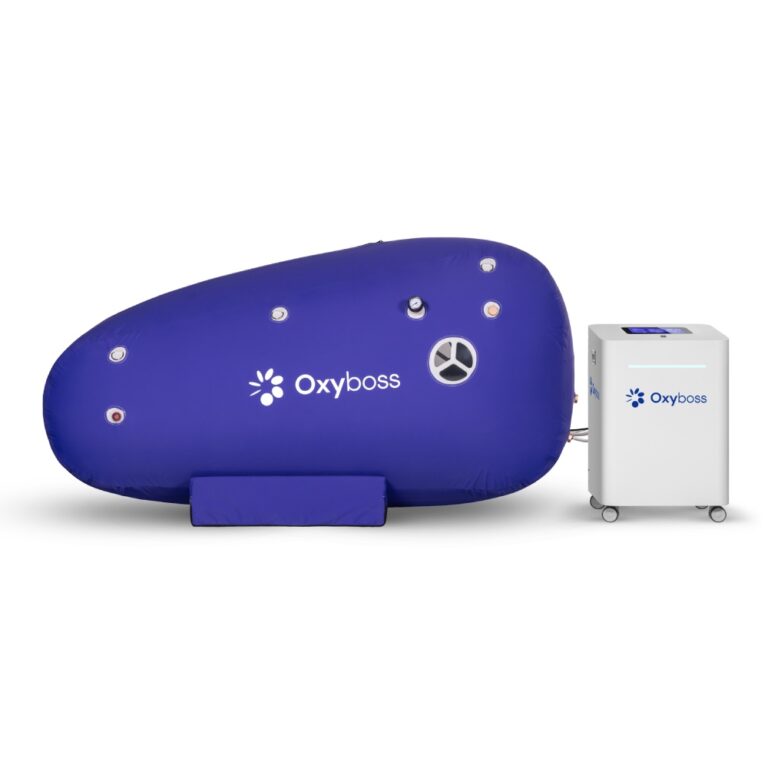
| Feature | Soft-Shell (Mild) | Hard-Shell |
| Typical pressure range | 1.3–1.5 ATA | 1.5–3.0 ATA |
| Oxygen delivery | Concentrated oxygen via mask (~90–95% O₂) | 100% pure oxygen |
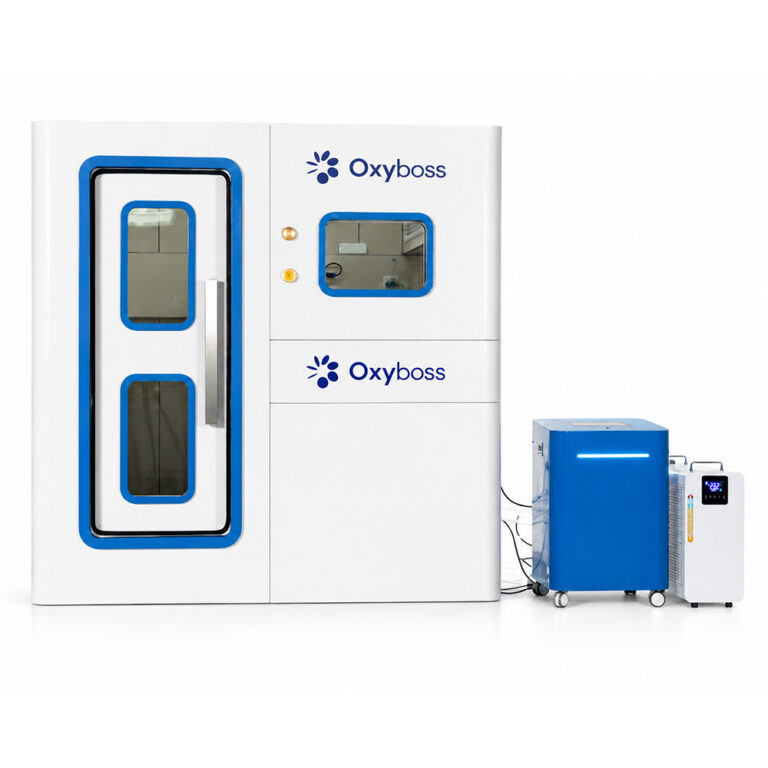
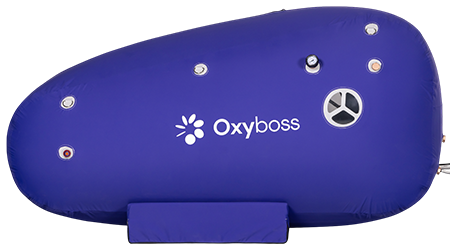
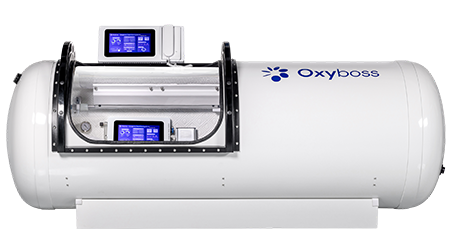
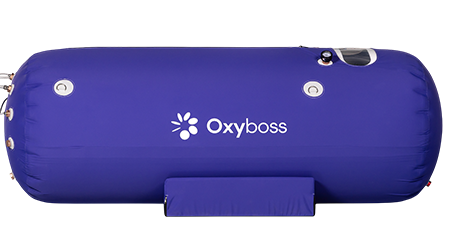
| Construction | Inflatable, flexible material | Rigid steel or acrylic |
| Portability | Relatively portable | Requires dedicated space |
| Research basis | Limited; most published research uses higher pressures | Majority of published studies use 2.0+ ATA |
Most peer-reviewed research that reports biological observations was conducted at 2.0 ATA or above in hard-shell chambers. Whether lower-pressure soft-shell chambers produce comparable, lesser, or qualitatively different responses is an open question with limited direct comparative data.
FAQ
Q: Does it hurt? The most common physical sensation is ear pressure during the first and last 10–15 minutes, similar to descending in an airplane. Equalization techniques (swallowing, yawning, jaw movements) address this for most people. Actual pain is not expected — if it occurs, staff should slow or stop pressurization.
Q: Can I bring my phone? Typically no. Electronics and items that produce sparks or static are generally prohibited inside due to the oxygen-enriched environment and associated fire risk.
Q: How long is a session? Usually 60–120 minutes total, including pressurization and depressurization phases.
Q: Will I feel different afterward? Responses vary. Some people describe feeling rested or clear-headed. Others notice nothing subjectively different. There is no guaranteed or expected subjective experience.
Q: How many sessions does it take to notice anything? There is no standard answer. Published research protocols range from single sessions to 60-session blocks over several months. Individual responses and goals differ. Any session plan should be developed with a qualified professional.
Q: Is this the same as an oxygen bar? No. Oxygen bars deliver supplemental oxygen at normal atmospheric pressure (1.0 ATA). Without increased ambient pressure, Henry’s Law does not produce significant additional oxygen dissolution into plasma. The two are physically different exposures.
Q: Is this safe for everyone? No. There are specific contraindications (see Safety section above). Anyone considering hyperbaric exposure should consult a qualified professional first — regardless of age or perceived health status.
What This Article Is and Is Not
This article describes the physical principles of pressurized oxygen exposure and summarizes observations from published peer-reviewed research. It is not a recommendation to pursue hyperbaric exposure. It does not claim that hyperbaric chambers produce specific health benefits for any individual. The research cited is early-stage, involves small sample sizes, and has not been broadly replicated. Decisions about hyperbaric oxygen exposure should be made in consultation with a qualified professional.
References
- Jones, M.W., Brett, K., Han, N., Cooper, J.S., & Wyatt, H.A. (2024). Hyperbaric Physics. In StatPearls. StatPearls Publishing. https://www.ncbi.nlm.nih.gov/books/NBK448104/
- Kahle, A.C. & Cooper, J.S. (2023). Hyperbaric Physiological and Pharmacological Effects of Gases. In StatPearls. StatPearls Publishing. https://www.ncbi.nlm.nih.gov/books/NBK470481/
- Sen, S. & Sen, S. (2021). Therapeutic effects of hyperbaric oxygen: integrated review. Medical Gas Research, 11(1), 30–33. https://www.ncbi.nlm.nih.gov/pmc/articles/PMC8103971/
- MacLaughlin, K.J., Barton, G.P., Braun, R.K., Lamers, J.J., Marcou, M.D., & Eldridge, M.W. (2023). Hyperbaric air mobilizes stem cells in humans; a new perspective on the hormetic dose curve. Frontiers in Neurology, 14, 1192793. https://www.frontiersin.org/articles/10.3389/fneur.2023.1192793/full
- MacLaughlin, K.J., Barton, G.P., MacLaughlin, J.E., Lamers, J.J., Marcou, M.D., O’Brien, M.J., Braun, R.K., & Eldridge, M.W. (2025). 100% oxygen mobilizes stem cells and up-regulates MIF and APRIL in humans: a new point on the hormetic dose curve. Frontiers in Cell and Developmental Biology, 12, 1377203. https://www.frontiersin.org/journals/cell-and-developmental-biology/articles/10.3389/fcell.2024.1377203/full
- Hachmo, Y., Hadanny, A., Abu Hamed, R., Daniel-Kotovsky, M., Catalogna, M., Fishlev, G., Lang, E., Polak, N., Doenyas, K., Friedman, M., Zemel, Y., Bechor, Y., & Efrati, S. (2020). Hyperbaric oxygen therapy increases telomere length and decreases immunosenescence in isolated blood cells: a prospective trial. Aging, 12(22), 22445–22456. https://doi.org/10.18632/aging.202188
- U.S. Food and Drug Administration. (2025). Follow Instructions for Safe Use of Hyperbaric Oxygen Therapy Devices — Letter to Health Care Providers. https://www.fda.gov/medical-devices/letters-health-care-providers/follow-instructions-safe-use-hyperbaric-oxygen-therapy-devices-letter-health-care-providers
- Sadri, R.A. & Cooper, J.S. (2025). Hyperbaric Complications. In StatPearls. StatPearls Publishing. https://www.ncbi.nlm.nih.gov/books/NBK459191/