
If you’re here because you or someone you care about is dealing with a diabetic foot wound, we need to be straight with you from the start.
There are two completely different things both called “hyperbaric oxygen,” and mixing them up can waste your time, your money, or worse — delay the treatment you actually need.
This article walks you through what medical-grade hyperbaric oxygen therapy actually is, who it’s meant for, and why the portable chambers you might find online aren’t built for treating diabetic foot ulcers.
First: If You Already Have an Open Wound
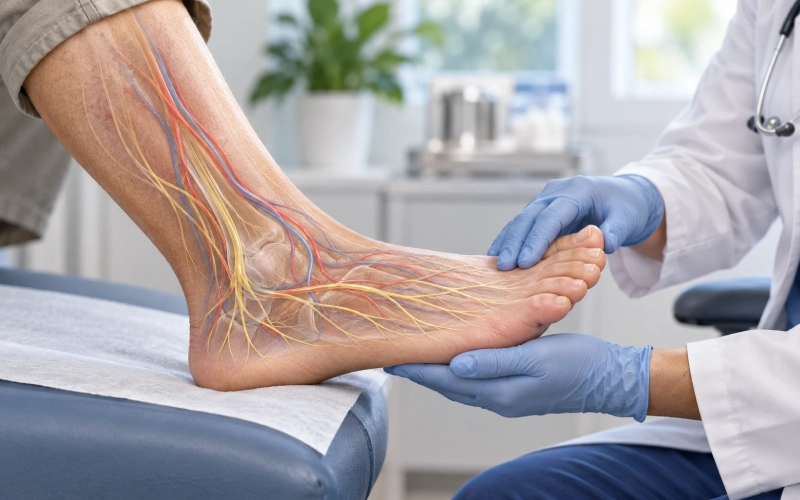
If you currently have an open sore on your foot — especially one that’s been there for weeks or isn’t healing — this is a medical situation that needs a wound care specialist, podiatrist, or vascular doctor.
Hyperbaric oxygen therapy (HBOT) can play a role, but only as part of a complete wound care plan that includes:
- Regular debridement (cleaning out dead tissue)
- Infection management
- Taking pressure off the wound (special shoes, boots, or a walking cast)
- Keeping blood sugar stable
- Checking blood flow and fixing circulation problems when needed
HBOT is not a replacement for any of these steps. The FDA has cleared hyperbaric oxygen for treating non-healing wounds like diabetic foot ulcers, but the clinical practice guidelines from UHMS (Undersea & Hyperbaric Medical Society) are clear: it’s an add-on — not the first move and definitely not something you do instead of standard care.
If your wound shows any of these signs, go to urgent care or the ER right now:
- Spreading redness
- Fever or chills
- Bad-smelling drainage
- Skin turning black, purple, or blue
- Severe swelling
- Confusion or feeling off
- Pain that’s getting worse fast
What Medical HBOT Actually Looks Like
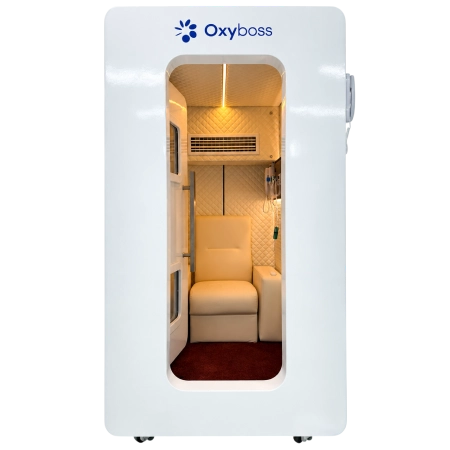
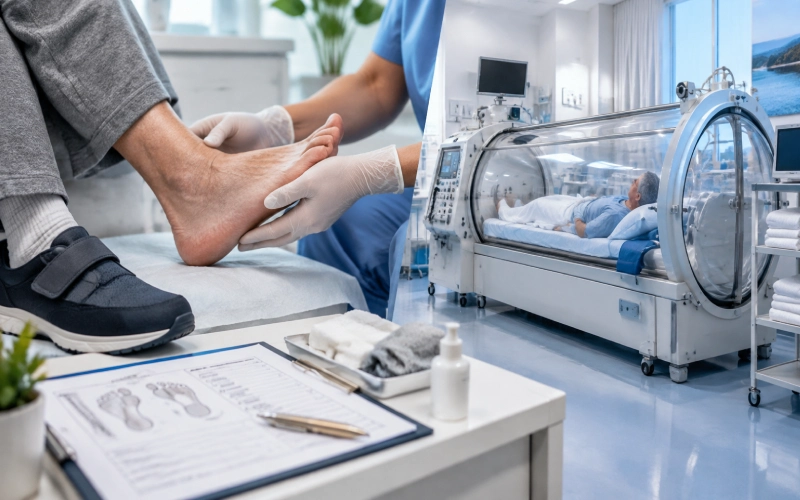
Real hyperbaric oxygen therapy for diabetic foot ulcers happens in a hospital wound center or a specialized HBOT clinic. Here’s what the actual treatment involves:
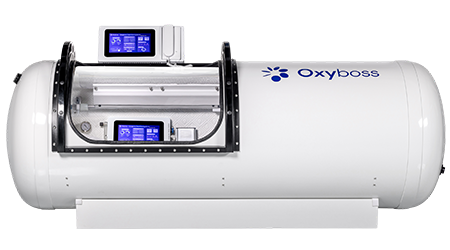
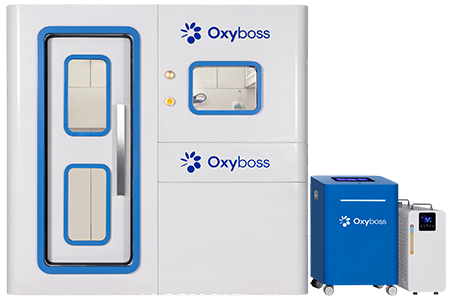
The setup: You sit or lie in a chamber — either a single-person clear tube or a larger room that holds multiple people. The pressure inside gets raised to about 2.0 to 2.4 times normal atmospheric pressure (that’s the clinical standard range according to UHMS guidelines), and you breathe close to 100% oxygen through a mask or hood.
For reference, the air around us is only about 20% oxygen.
How long it takes: Each session runs 90 to 120 minutes. Most treatment courses involve daily sessions, five days a week, for about 30 sessions total — though some people need 20 to 40 depending on how the wound responds.
Why the pressure matters: The higher pressure forces more oxygen into your blood and tissues. That extra oxygen is supposed to help in a few ways: it can make antibiotics work better against bacteria, wake up white blood cells that fight infection, encourage new blood vessels to form, help skin cells and collagen rebuild, and potentially bring in stem cells to the area.
Does it actually work? We’ll get into that in a minute.
Who’s a Candidate (and Who Isn’t)
Medical HBOT isn’t for everyone with diabetes or even everyone with a foot wound. The guidelines are pretty specific.
You’re generally a candidate if:
- Your ulcer is Wagner grade 3 or higher. That means it’s deep — with an abscess, bone infection (osteomyelitis), or damage to tendons or joints.
- Standard wound care has been done correctly for at least 30 days and the wound still hasn’t improved.
- You have reduced blood flow to the area (ischemic or neuro-ischemic ulcer) and other treatments haven’t worked.
- You can get to an HBOT center regularly for weeks.
UHMS recommends against HBOT for Wagner grade 2 or lower ulcers — meaning shallower wounds. The evidence there is rated “very low” quality and “conditional,” so it’s not considered worth it for most cases.
Medicare has its own set of rules (NCD 20.29). To get coverage, you need to meet all three:
- Diabetes with a diabetes-related lower-extremity wound
- Wagner grade III or higher
- At least 30 days of proper wound care with no measurable signs of healing
And even once you’re approved, Medicare wants to see documented progress to keep paying for more sessions.
The Evidence: Does It Help?
The short answer: it might, for some people, but the science isn’t rock-solid.
UHMS reviewed 18 studies (only 3 of them were high-quality randomized trials) and concluded there’s moderate-quality evidence that HBOT can reduce the risk of major amputation and increase complete healing for Wagner grade 3+ ulcers that haven’t responded to standard care.
Some numbers from systematic reviews:
- One study saw complete healing in 52% of the HBOT group vs. 29% in the control group (p=0.03 — statistically significant).
- Another saw major amputation drop to 12% with HBOT compared to higher rates without it (p<0.05).
- A third found 63% of people avoided any amputation when HBOT was added.
But — and this is important — other studies in that same review found no significant difference. The IWGDF (International Working Group on the Diabetic Foot) 2023 guidelines rate the overall evidence as “low certainty” and give only a conditional recommendation.
Translation: HBOT probably helps some people avoid losing part of their leg, but we don’t fully understand who benefits most, and the studies we have aren’t perfect.
What About Home Chambers or Portable “Wellness” Devices?
Here’s where things get messy.
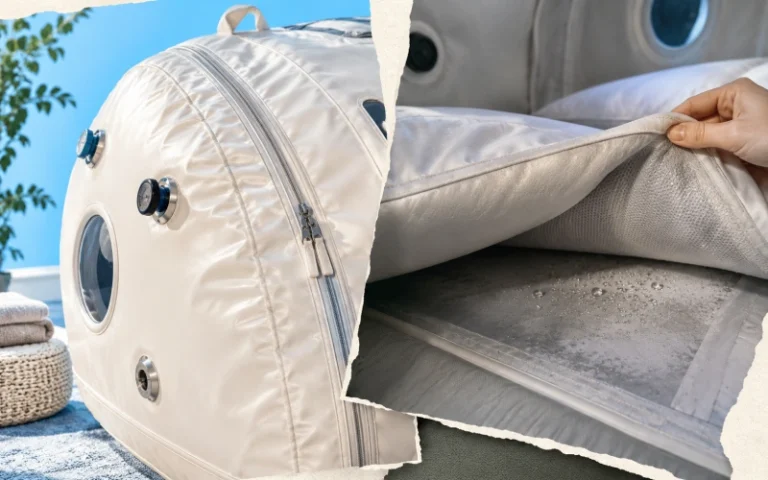
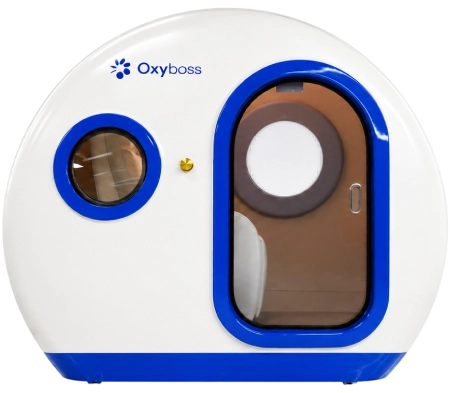
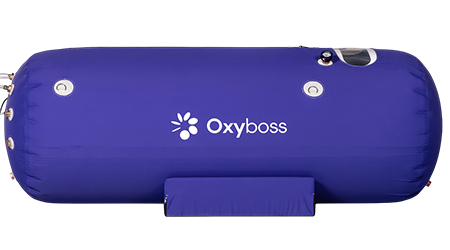
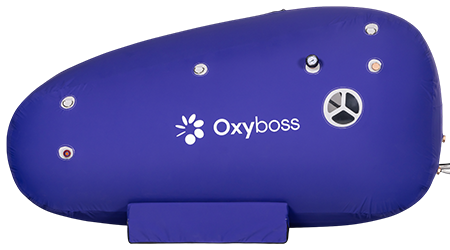
You can buy soft-sided, portable hyperbaric chambers online — often marketed for recovery, wellness, or general oxygen therapy. These usually run around 1.3 to 1.5 ATA of pressure.
Can you use one of these to treat a diabetic foot ulcer at home?
No.
The FDA has not cleared home or portable chambers for treating diabetic foot wounds. The only home-use device the FDA has cleared is a large inflatable bag meant for altitude sickness, and even that one isn’t approved for use with an oxygen tank or concentrator attached.
The pressure in those wellness chambers is also way below the 2.0–2.4 ATA range used in clinical studies. And there’s no medical supervision, no way to monitor for complications like low blood sugar or ear injuries, and — critically — no fire safety protocols.
Here’s the part most companies won’t tell you: Oxygen-rich environments are serious fire hazards. Medical facilities follow strict rules about what can go inside the chamber (no synthetic fabrics, no electronics, no petroleum-based products). The FDA specifically warns that some hyperbaric centers operate outside recognized safety guidelines and have caused injuries.
If you have diabetes but don’t have an open wound — if you’re just interested in oxygen therapy for circulation, neuropathy symptoms, or general wellness — that’s a different conversation. But for an active diabetic foot ulcer, trying to DIY it at home delays real treatment and puts you at risk.

Risks and Side Effects You Should Know
Even in a proper medical setting, HBOT isn’t risk-free.
Common issues:
- Ear or sinus barotrauma (pressure damage — like what happens on a plane, but stronger)
- Temporary vision changes, especially nearsightedness (happens in 20–40% of people; more common if you have diabetes)
- Claustrophobia (single-person chambers are tight spaces)
Serious but rare:
- Oxygen toxicity leading to seizures
- Lung collapse or damage (which is why untreated pneumothorax is a major contraindication)
Specific to people with diabetes:
- Low blood sugar during treatment. Clinical protocols usually check your glucose beforehand and may ask you to eat something first.
You also can’t do HBOT if you have untreated pneumothorax (collapsed lung), uncontrolled asthma or seizures, certain ear problems, or if you’re on specific medications like disulfiram or doxorubicin.
Where to Get Treatment (If It’s Right for You)
If your doctor thinks HBOT might help, ask them to refer you to a UHMS-accredited facility.
The FDA specifically recommends getting treatment only at accredited medical hyperbaric centers. These places follow safety protocols, have trained staff, and use equipment that’s been cleared for medical use.
You can search for accredited facilities on the UHMS website.
The Bottom Line
Medical hyperbaric oxygen therapy can play a role in treating severe diabetic foot ulcers — but only for specific cases, only as part of comprehensive wound care, and only in a proper medical setting.
If you don’t have an open wound yet but you’re worried about neuropathy, circulation, or preventing future problems, focus on the fundamentals: keep your blood sugar as stable as you can, check your feet every day, wear shoes that fit right, and see a podiatrist regularly.
And if you’re thinking about buying a home chamber because you’ve read it might help with diabetes complications — just know that’s not what the evidence or the regulations support. Save your money, or better yet, put it toward the things we know actually work: good glucose control, proper footwear, regular check-ins with your care team.
If you currently have a wound that’s not healing, don’t wait. Get to a wound specialist. They’ll figure out whether HBOT is even on the table for you — and more importantly, they’ll make sure all the other pieces are in place first.